
Binoculars and night vision
Choosing binoculars: magnification, objective diameter and use
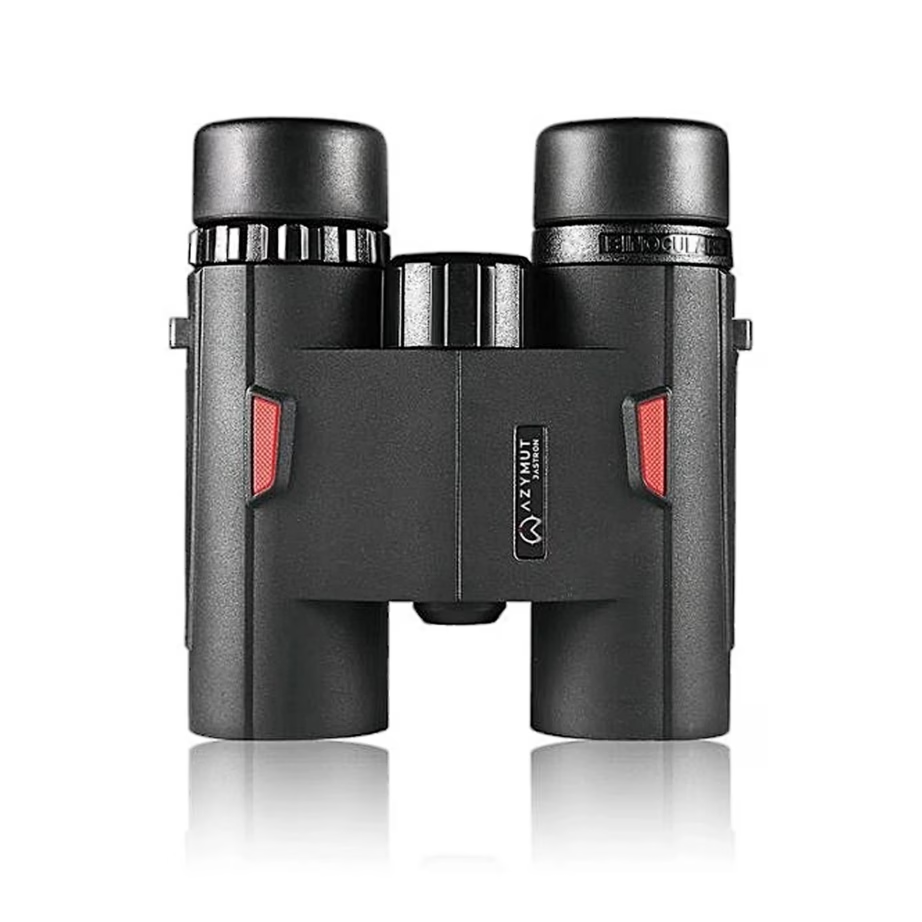
Binoculars bring distant birds, animals and views closer when hiking, hunting, at sea or at a stadium. The range includes Celestron, Eyeskey and Mil-Tec binoculars, and monoculars. The purchase is decided by two numbers in the product name: magnification and objective diameter.
What 10×42 means
The first number is the magnification: a 10x binocular makes a bird 100 m away look as if it were 10 m away. The second number is the objective diameter in millimetres. If you divide the diameter by the magnification, you get the exit pupil: 4.2 mm for 10×42. The larger it is, the brighter the image in low light.
Magnification: 8x, 10x or 16x
An 8x binocular gives a wide field of view and a steady image, so you find a moving bird quickly. 10x shows more detail and suits open landscapes and coastlines. At 16x, the shake of your hands shows in the image, so support the binoculars or use a tripod.
Objective diameter: compact or bright
A binocular with an objective up to 30 mm weighs about 200-350 g and fits in a jacket pocket, so it suits hiking, travel and the theatre. 42 mm is the everyday choice for birdwatching. A 50 mm objective gathers more light in dim conditions and suits hunting and dusk, but the weight is then 800 g or more.
Binoculars or monocular
A monocular is half a binocular: you hold it with one hand and it is lighter. With binoculars you look with both eyes, so your eyes tire less and longer observation is more comfortable.
Waterproofing and optics
Waterproof binoculars withstand rain and splashes. In a body filled with nitrogen, the lenses do not fog up on the inside when you go from cold to warm. Multi-coating reduces reflections and gives a brighter image.
Frequently asked questions
An 8×42 or 10×42 binocular suits birdwatching. 8x keeps a moving bird in view more easily, 10x shows a bird sitting far away in more detail.
A light compact binocular with 6x-8x magnification suits a child. Check that the eyepiece distance is adjustable to about 50-56 mm, because a child’s eyes are closer together.
Binoculars amplify the existing light, so in dusk and twilight a binocular with a large objective, for example 7×50 or 8×56, works well. In complete darkness you need a night vision device with infrared illumination or a thermal camera.
On a boat the image moves, so a waterproof, nitrogen-filled binocular with 7x to 8x magnification suits use at sea. The most common marine binocular is 7×50.
Yes, if the binoculars have eyecups that twist or fold down and an eye relief of at least 15 mm. Then you can see the whole field of view with your glasses on.
-
56,99 €
- Magnification
- 8x
- Lens diameter
- 32 mm
- Product type
- Binoculars
-
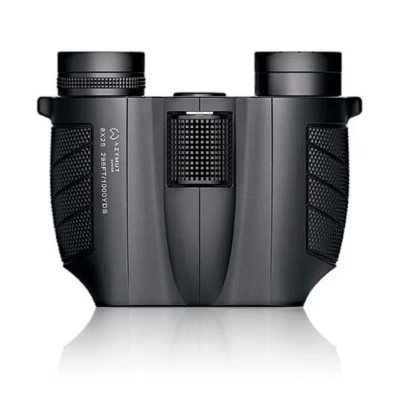
29,99 €
- Magnification
- 8x
- Lens diameter
- 25 mm
- Product type
- Binoculars
-
68,99 €
- Magnification
- 10x
- Product type
- Binoculars
-
48,99 €
- Magnification
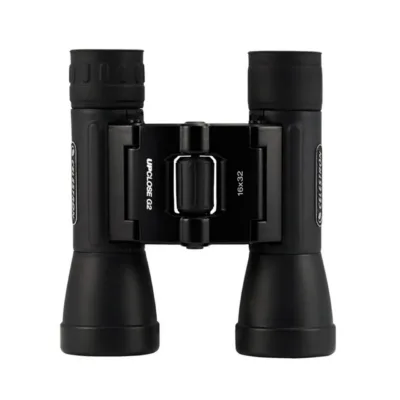
- 16x
- Lens diameter
- 32 mm
- Product type
- Binoculars
All products shown.