
Brand
X-Sense: Smoke, carbon monoxide and gas detectors
- 2% back as bonus points
- 14-day right of return

Why choose X-Sense?
X-Sense is a choice for someone who wants to monitor the fire and accident risks of their home systematically, not just with a single sensor. The strength of the brand is its integrated approach: following the same logic, you can combine smoke, carbon monoxide and other home security sensors and, if you wish, link them to alerts on your phone. This makes the solution practical for a home with several rooms or floors, because an alarm does not stay confined to just one room.
Compared with the well-known large brands' smart smoke detectors, X-Sense is often chosen when the aim is to cover the whole home on a reasonable budget. Even so, before buying, think about whether your building requires at least one smoke detector wired to the mains, and whether you prefer smart devices that integrate with specific smart home platforms. X-Sense focuses primarily on the sensors working together and sending mobile alerts, rather than necessarily on a wide smart home ecosystem.
The X-Sense range in our online shop
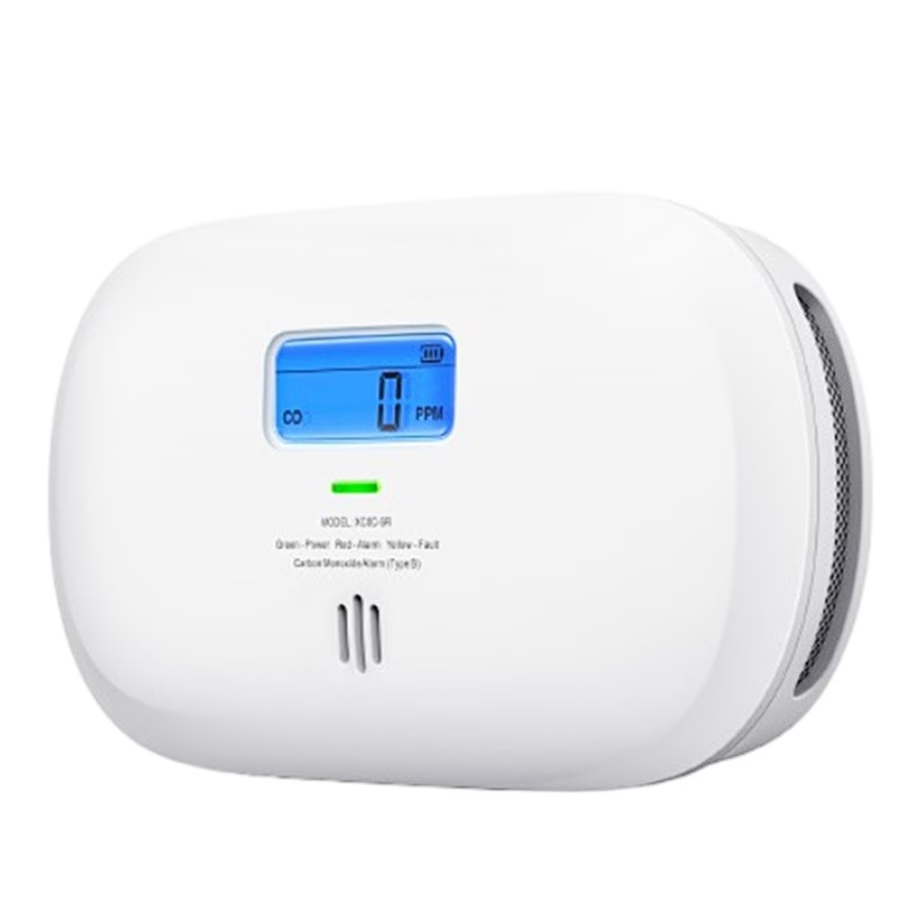
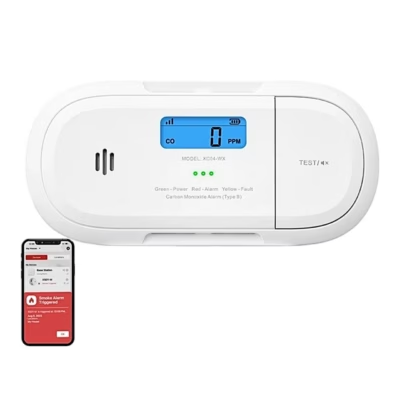
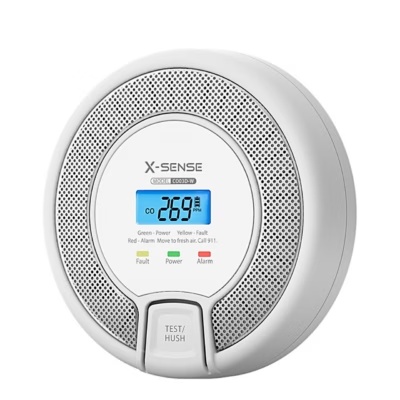
In the Ruumist Ruumi online shop, the X-Sense range is built around the basic home security needs. For fire safety you will find photoelectric smoke detectors (according to the EN 14604 standard), which suit a typical living space and give a loud audible signal. For the carbon monoxide risk, the range includes carbon monoxide detectors with an electrochemical sensor, often with an LCD screen so you can see the reading and status. For both smoke and CO devices there are stand-alone variants as well as networked solutions designed to cover several rooms.
In addition to fire and gas risks, the X-Sense range also covers everyday household accidents and the detection of intrusion. The range includes water leak detectors, which quickly signal an unexpected leak, as well as door and window opening sensors and motion sensors. To build a complete smart home solution you will also find central control components (for example a base station type solution) and keypads used to manage security modes. This kind of combination makes it possible to put together a solution that suits a flat, a house or a summer cottage.
What to consider when choosing an X-Sense product?
Start with connectivity. If you want notifications on your phone, check whether the product works directly over Wi‑Fi or needs a separate central unit through which the sensors communicate. For Wi‑Fi, a 2.4 GHz network is a common requirement, so check whether your home router and network settings support it. In a system with several sensors, reliability also depends on the layout of the building: walls, intermediate floors and technical shafts can affect the signal, which is why the location of the central unit and the placement of the sensors matter.
The next decision is power and maintenance. The X-Sense range includes models with a replaceable battery as well as models with a sealed (non-replaceable) battery. A replaceable battery suits you if you want to do the maintenance yourself over a long period, while a sealed-battery solution reduces day-to-day worry but means replacing the whole device later. Also check the environmental conditions: different sensors have different operating temperature and humidity ranges, which is especially important in a garage, cellar or summer cottage.
Finally, think about the installation location and the risk of false alarms. Placing a smoke detector too close to a cooker or a bathroom door can cause alarms because of steam and cooking. If there is often a lot of steam or smoke in the home, choose a suitable sensor type and plan the location so that it meets the standards and is still practical. If you have a new build or stricter requirements, check before buying whether your home requires a wired smoke detector, because not all smart variants offer a wired connection.
Frequently asked
A Wi‑Fi sensor connects directly to your home network and sends alerts to the app. A networked solution usually uses a central unit that brings the sensors together into one system and can make several alarms react at once. The product page always states whether a central unit is needed for app support.
Many smart security devices use a 2.4 GHz Wi‑Fi network. Before buying, check the Wi‑Fi requirement in the product description and make sure your router has a 2.4 GHz network enabled (either as a separate network or as part of a combined network).
Plan the installation so that the sensor is not directly above a hob or oven, next to an extractor hood outlet, or right beside a bathroom door. Steam and cooking particles can cause alarms, so the location is as important as the sensor's own features. If an alarm does go off, use the testing and silencing options described in the manufacturer's instructions.
The range includes devices with a replaceable battery as well as devices with a sealed battery. The power type is listed separately for each product, so you can choose whether you prefer a replaceable battery or the lowest possible maintenance requirement.
If your building or project calls for at least one smoke detector wired to the mains, check before buying whether the chosen model supports a wired connection. Some smart smoke detectors are battery-powered only, which may not meet the requirements of a particular building. If in doubt, ask your property manager or a specialist and choose the product according to the installation rules.
-
14,95 €
- Power supply
- Battery
-
21,95 €
- Connectivity
- Wi-Fi
- Power supply
- Battery
-
23,95 €
- Connectivity
- Radio frequency (RF)
- Power supply
- Battery
-
31,95 €
- Connectivity
- Wi-Fi
- Power supply
- Battery
-
29,95 €
- Connectivity
- Radio frequency (RF)
- Power supply
- Battery
-
30,95 €
- Connectivity
- Wi-Fi, Zigbee
- Power supply
- Battery

All products shown.