

Description
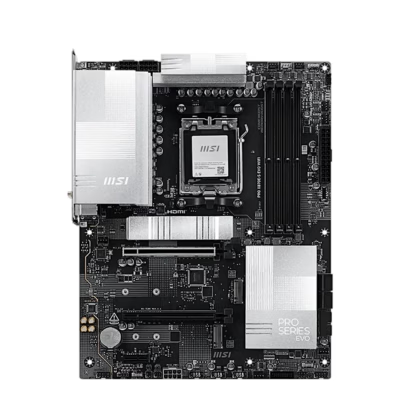
Motherboard for AM5 processors, DDR5 memory and Wi-Fi 7
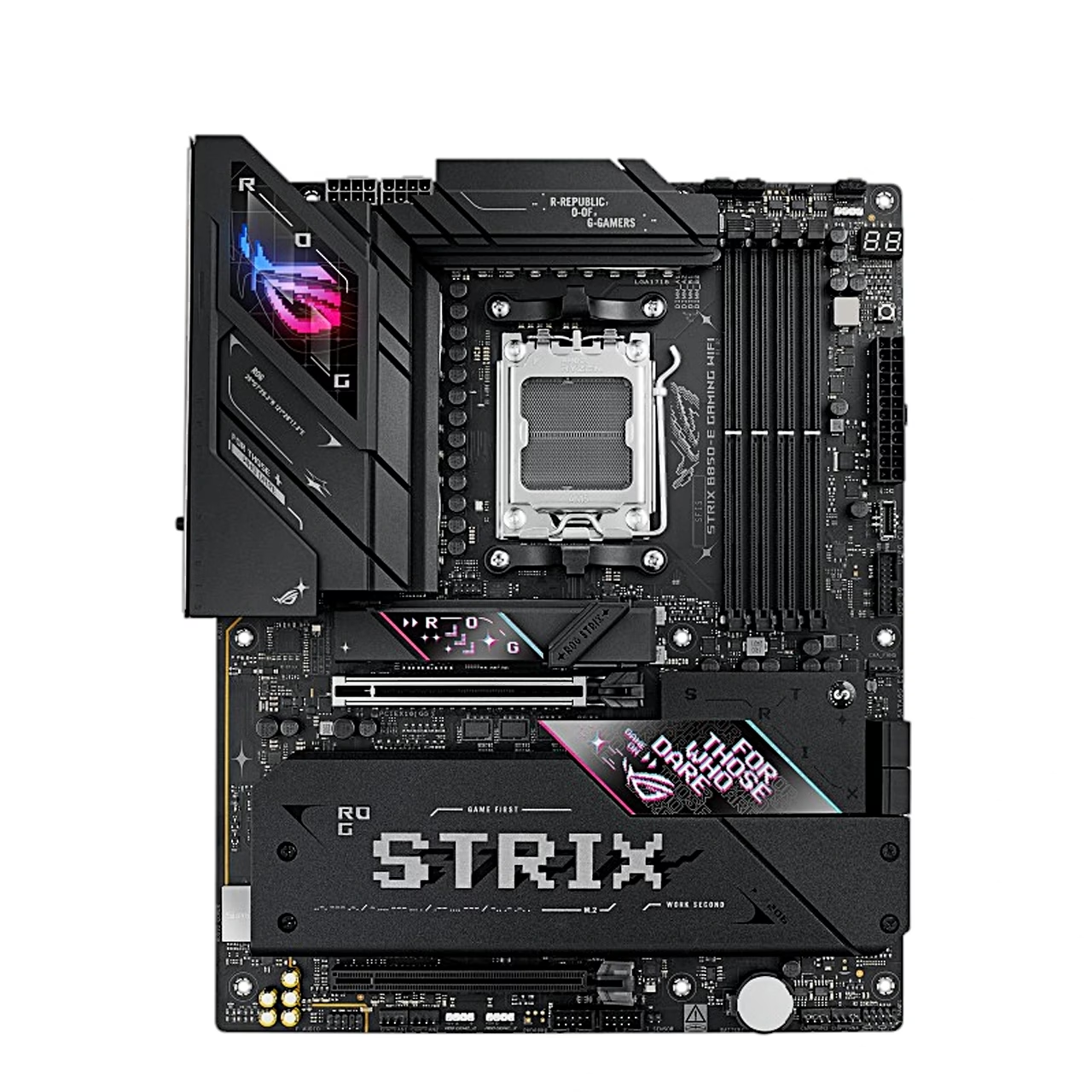
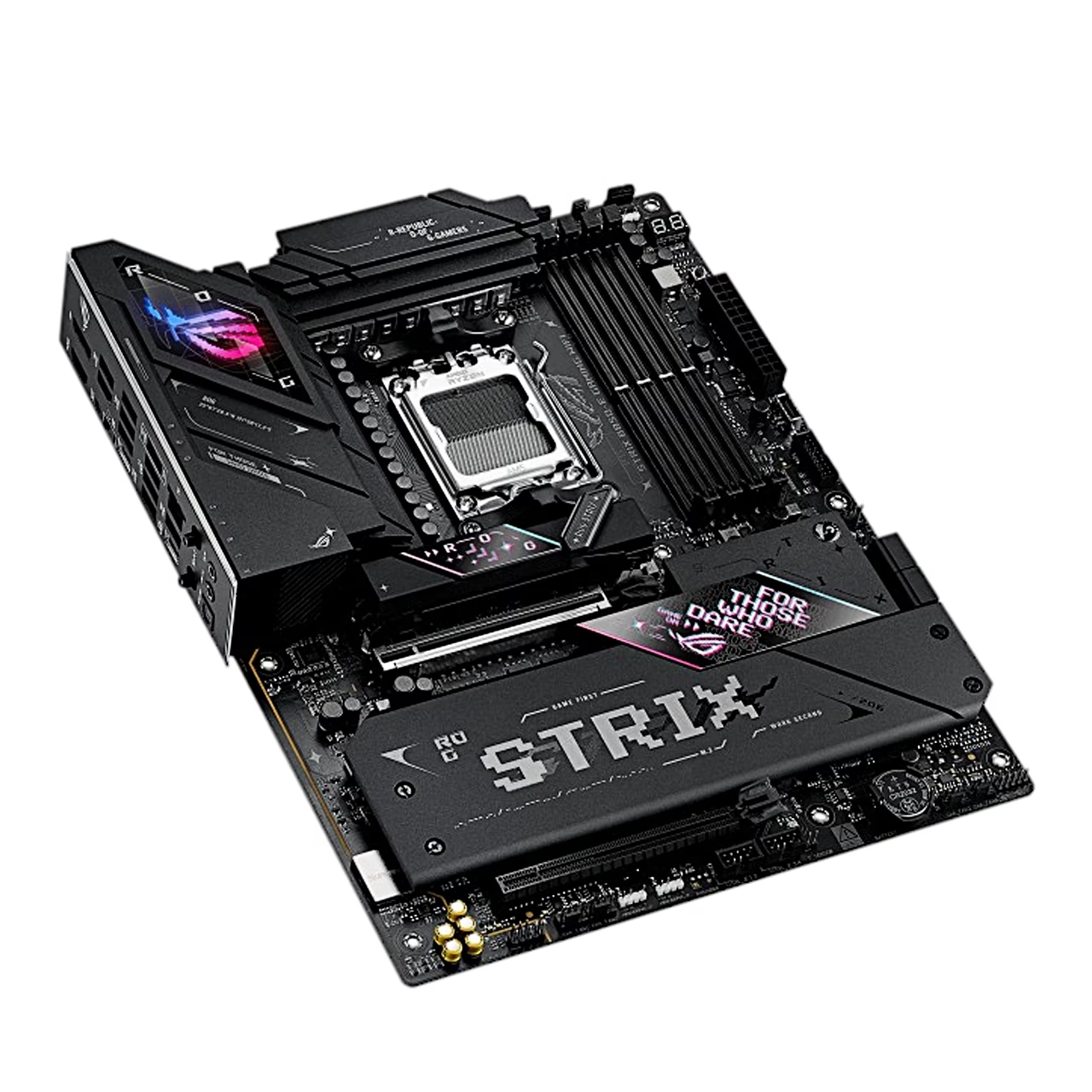
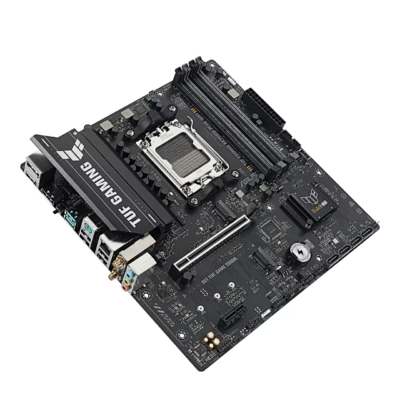
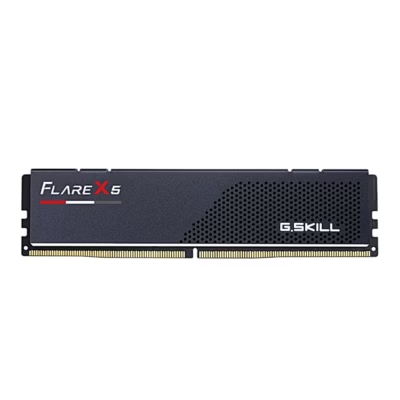
This DDR5 motherboard for socket AM5 takes up to 256 GB of memory in four slots, running in dual-channel mode and overclocked beyond 8000 MT/s. For memory tuning it supports AMD EXPO profiles, the ASUS AEMP profile for PMIC-restricted modules and the DIMM Fit BIOS feature, which analyses each module separately. The processor power delivery has 16 + 2 + 2 stages, rated up to 90 A per stage.
Expansion slots and M.2 SSDs
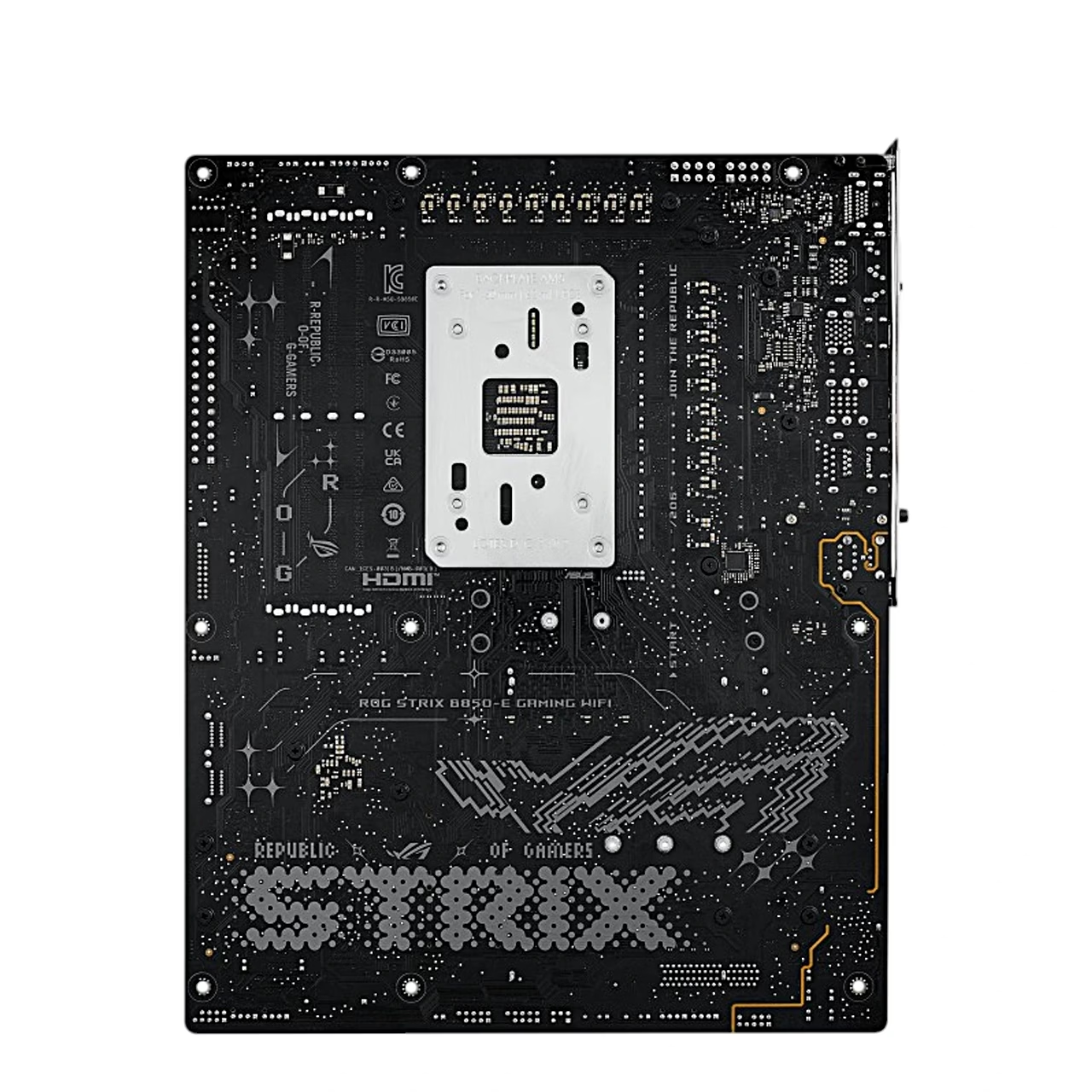
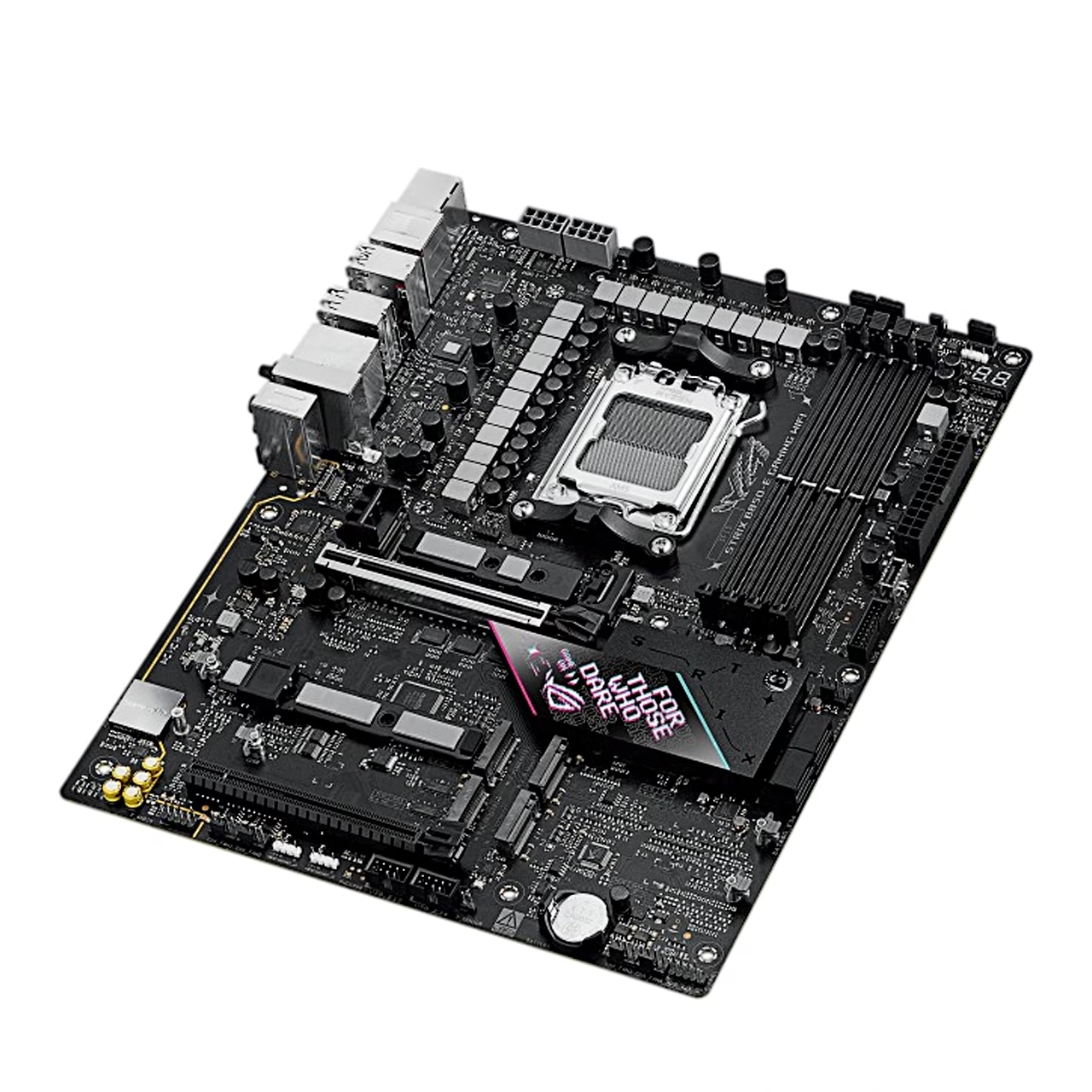
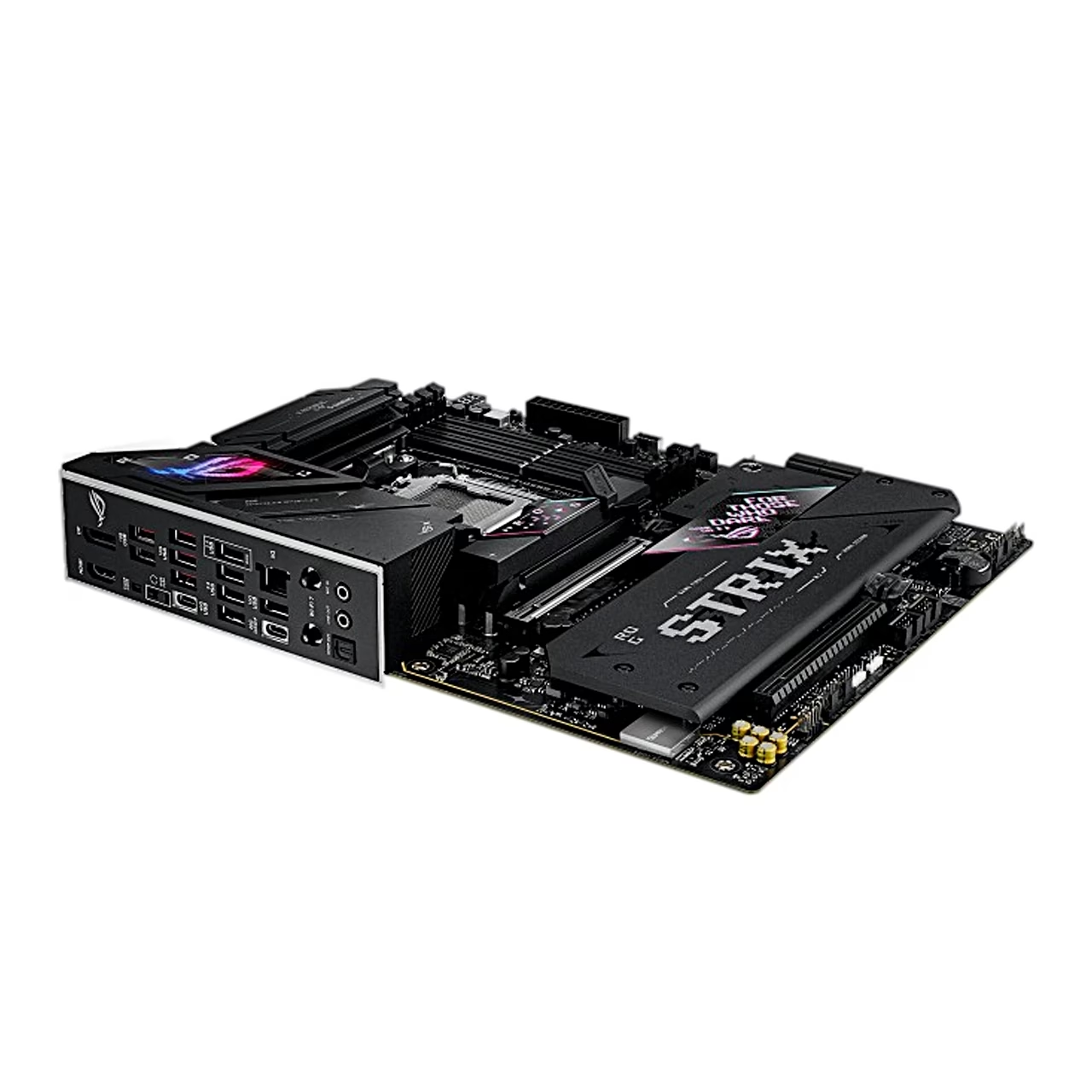
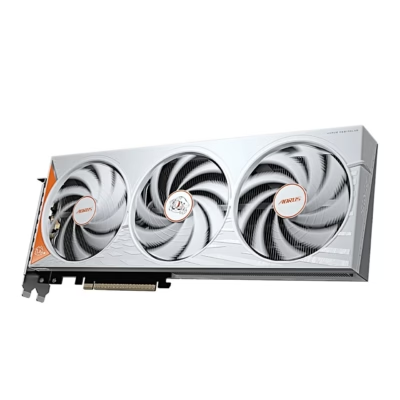
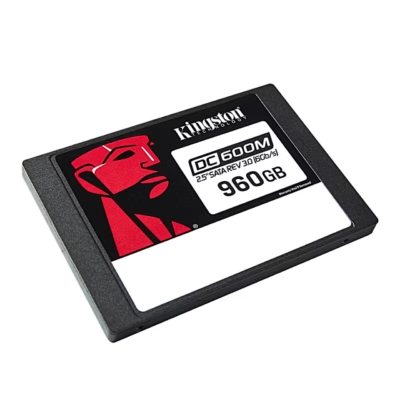
The graphics card goes into the CPU-connected PCIe 5.0 x16 SafeSlot; the second PCIe 4.0 x16 slot runs at four lanes from the chipset. Of the five M.2 slots, one takes a 22110 and two take 2280 PCIe 5.0 SSDs, and the other two take 2280 PCIe 4.0 SSDs, all on four-lane links. All five M.2 slots have heatsinks and there is an M.2 backplate under the board, plus four SATA 6 Gb/s ports.
Network and rear ports
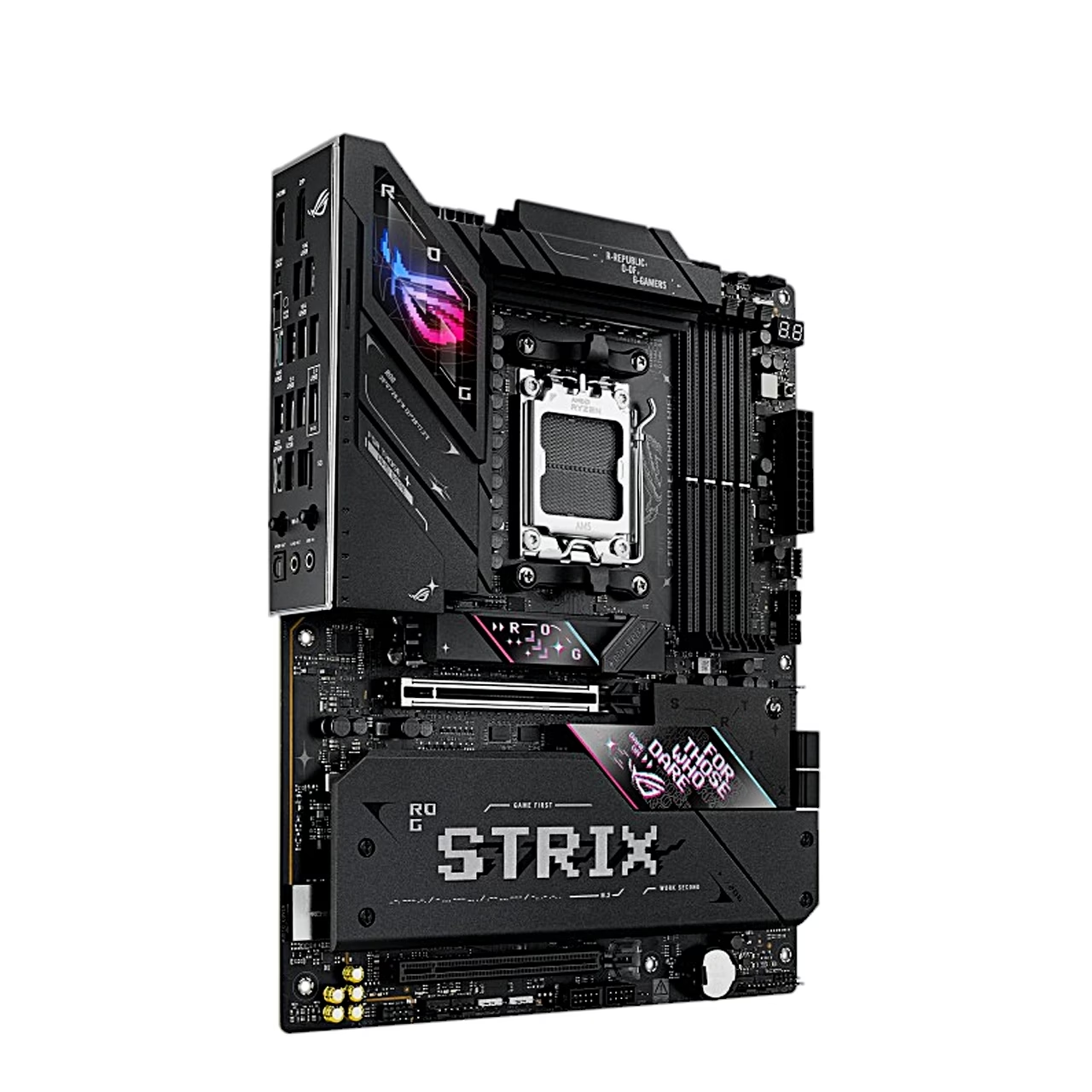
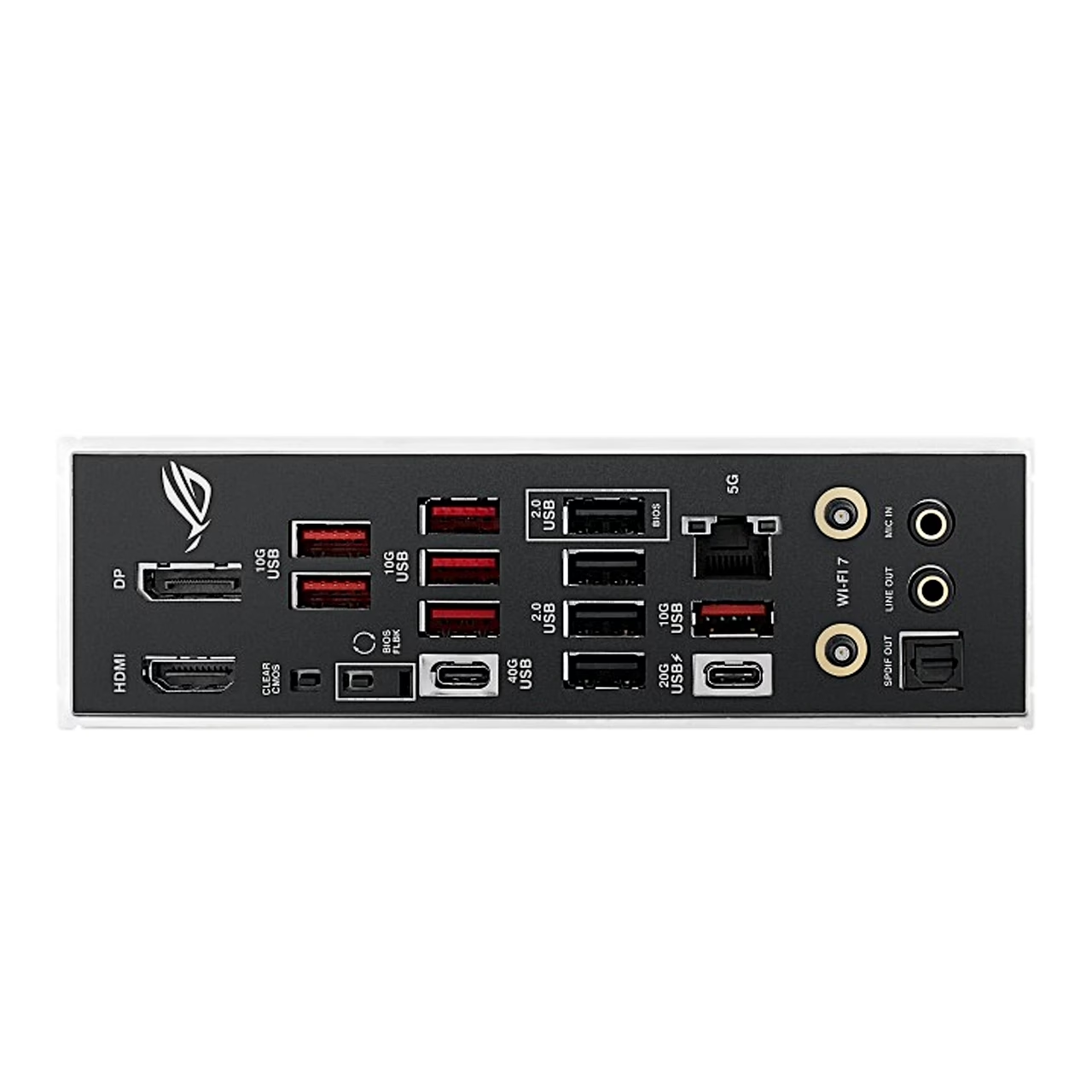
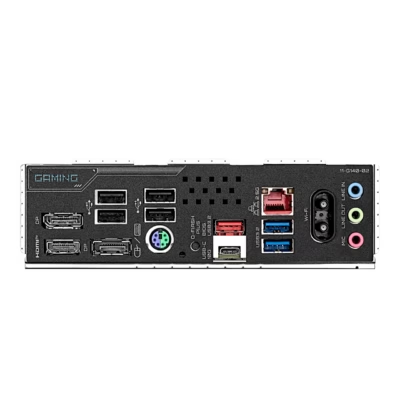
Network connections are Realtek 5 Gbit/s Ethernet or Wi-Fi 7. The rear panel has a 40 Gbit/s USB4 Type-C port, a 20 Gbit/s USB Type-C port, six USB 10 Gbit/s Type-A ports and four USB 2.0 ports, plus HDMI and DisplayPort outputs. The BIOS FlashBack and Clear CMOS buttons are also on the rear panel. For the case front panel there is a USB 10 Gbit/s Type-C header and a USB 5 Gbit/s header for four ports.
Audio, cooling and lighting
Audio uses the SupremeFX ALC4080 codec with a Savitech SV3H712 amplifier, with a 120 dB signal-to-noise ratio on stereo playback and 110 dB on the recording input, and Dolby Atmos support. The rear panel has two audio jacks and an optical S/PDIF output. For cooling there are five 4-pin PWM chassis fan headers and an AIO pump header, and for lighting three 3-pin ARGB Gen2 headers controlled by Aura.
Overclocking in the BIOS
AI Overclocking profiles the processor and cooling and suggests overclocking settings that can be applied automatically. Dynamic OC Switcher switches between a manual overclock and Precision Boost Overdrive based on current and temperature thresholds. With a Ryzen 9000 processor, AI Cache Boost can be enabled in the BIOS to tune the processor cache and memory pathways for local large language models.






































Reviews
There are no reviews yet.