

Skin, paw and wound care
Wound, skin and paw care for dogs and cats: care area and form
Here you will find products for treating small wounds, irritated skin and paw pads on dogs and cats, from the JM Sante, EUROWET and Vetfood range. Two things decide the purchase: what you are treating, a wound, skin or a paw, and whether a spray or a gel suits better.
Wounds: clean first, then protect
For a scratch, graze or small cut, rinse with lukewarm clean water or physiological saline and trim the hair around the wound. Then apply a wound spray or wound gel, which keeps the wound surface clean. Wound products with silver contain silver added against microbes.
Skin: redness, itching and scaling
Apply the skin care product directly to a dry, scaling or red patch of skin, parting the hair first. If the skin itches across the body or repeatedly, the cause is often fleas, allergy or food. In that case also see the pages Parasite control and Skin and coat supplements.
Paws: pads in winter and summer
Paw pads dry out and crack from road salt, cold snow, hot asphalt and rough ground. Apply a paw care product to a clean, dry pad before a walk for protection, and in the evening so that small cracks can heal. A broken or bleeding pad is treated like a wound.
Spray or gel
A spray covers a larger area without touching the wound and reaches the skin through the hair. It suits a painful spot and an animal that does not let itself be touched. A gel stays in place on a small wound or paw pad, and is applied in a thin layer. You can choose by form using the Form filter.
Frequently asked questions
Lukewarm clean water or physiological saline (0.9% sodium chloride) is suitable for cleaning a wound. Alcohol and hydrogen peroxide irritate wound tissue, which is why an animal wound spray or wound gel is used instead.
A vet should check a deep or gaping wound, a bite wound, and a wound whose bleeding does not stop after a few minutes of pressure. The same applies to swelling, pus, limping or lethargy. A wound from a cat’s neutering is treated as the clinic instructs.
Licking can be prevented with a protective collar or a body suit pulled on over the body, and with a protective sock or bandage on the paw. Apply the wound product when the animal can be calm for a while.
Red and smelly paws often result from licking between the toes, allergy or yeast, and a vet can find the cause of persistent redness. A broken pad is cleaned, covered with wound gel and protected on walks with a sock.
Cats are more sensitive than dogs to some substances, such as tea tree oil, so use a product on a cat only if the name or the product page says it is for cats. Some products are intended for both dogs and cats, and this is stated in the product name.
-
Original price was: 8,19 €.5,99 €Current price is: 5,99 €.
- Care area
- Leather, Wounds
- Form
- Spray
-
Original price was: 14,99 €.11,49 €Current price is: 11,49 €.
- Care area
- Leather
- Form
- Spray
-
Original price was: 12,99 €.9,49 €Current price is: 9,49 €.
- Care area
- Leather
-
Original price was: 19,49 €.15,49 €Current price is: 15,49 €.
- Care area
- Wounds
-
Original price was: 15,49 €.11,99 €Current price is: 11,99 €.
- Care area
- Leather, Wounds
- Form
- Gel
-
Original price was: 14,09 €.10,49 €Current price is: 10,49 €.
- Care area
- Leather, Wounds
- Form
- Gel
-
Original price was: 15,99 €.11,99 €Current price is: 11,99 €.
- Care area
- Leather, Wounds
- Form
- Spray
-
Original price was: 10,49 €.7,69 €Current price is: 7,69 €.
- Care area
- Paws
- Form
- Spray
-
Original price was: 18,99 €.15,09 €Current price is: 15,09 €.
- Care area
- Leather
-
Original price was: 39,99 €.35,99 €Current price is: 35,99 €.
- Care area
- Leather, Paws


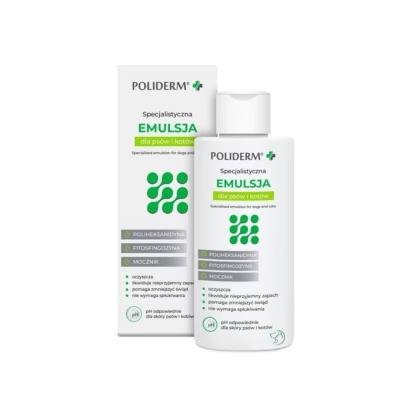


All products shown.
Popular right now
-
Original price was: 15,49 €.11,99 €Current price is: 11,99 €.
- Care area
- Leather, Wounds
- Form
- Gel
-
Original price was: 15,99 €.11,99 €Current price is: 11,99 €.
- Care area
- Leather, Wounds
- Form
- Spray