Digestive supplements for pets
Digestive supplement for dogs and cats: the problem, active ingredient and form
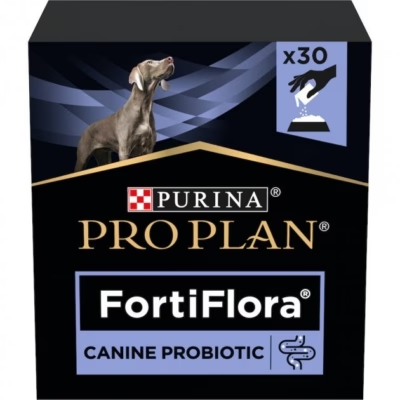
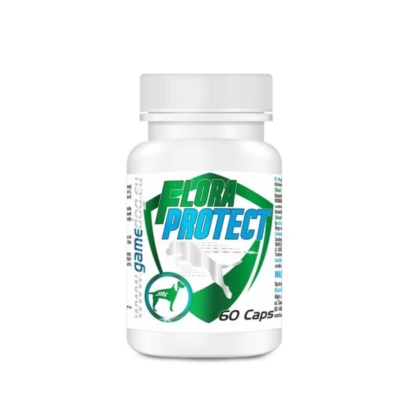
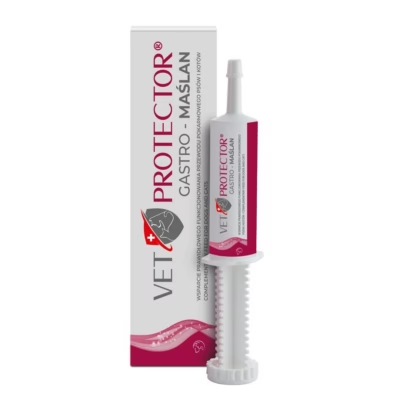
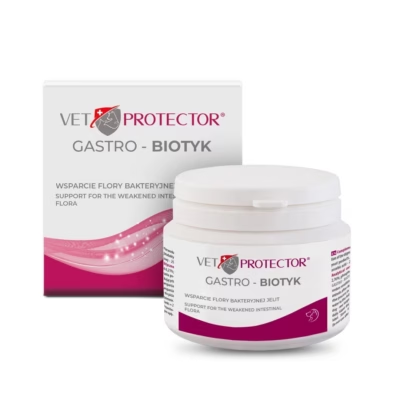
Digestive supplements are feed supplements given alongside a dog’s or cat’s food for diarrhoea, constipation, hairballs and after a course of antibiotics. The range includes tablets, powders, pastes, capsules and liquids from the Purina Pro Plan, VetExpert, Aptus, AniForte and Vetfood product ranges. We sell digestive supplements. The choice depends on the animal, the digestive problem, the active ingredient suited to it and the form the animal eats most easily.
Dog or cat
The dose is calculated by the animal’s body weight and is stated on the package. Many probiotics and pastes suit both dogs and cats. You can see who a product is intended for in the product name and in the Animal filter.
Probiotic, clay or fibre: choosing by the problem
A probiotic contains beneficial bacteria, for example strains of Enterococcus faecium or Lactobacillus, and restores the gut microflora during diarrhoea, after a course of antibiotics and when changing food. Prebiotics, such as inulin and FOS, are food for these bacteria. For diarrhoea, clay minerals (kaolin, montmorillonite) and pectin bind water in the intestine, and for constipation, fibres such as psyllium soften the stool.
Hairballs in cats
While grooming itself, a cat swallows hair, which collects in the stomach. Hairball paste containing malt extract or paraffin makes the hair slippery so that it passes through the intestine. A long-haired cat is given the paste more often during moulting, and daily combing reduces the amount of hair swallowed.
Tablet, powder, paste or liquid
A tablet is easy to dose, and a flavoured tablet is often eaten by a dog like a treat. A powder is mixed into the food and suits a cat that spits out tablets. A paste is given from a syringe directly into the mouth or onto the paw, and a liquid is mixed into the food or drinking water. For a longer course, check the package for how many days the doses last.
Frequently asked questions
Go to the vet if diarrhoea lasts more than 1-2 days, the stool contains blood, or the animal vomits, is lethargic and drinks little. For a puppy or kitten, go straight away. A supplement suits a mild, short-term digestive disorder and can also be given alongside veterinary treatment.
A probiotic for dogs and cats has strains and a dose chosen for the animal’s gut. A human preparation may contain xylitol, which is toxic to dogs, so give your animal a product made for it.
For mild diarrhoea, a probiotic is usually given for at least 5-7 days, during a course of antibiotics for the whole course and about a week after it. The exact dose and duration are on the package.
Yes, give the probiotic 2-3 hours apart from the antibiotic so that the antibiotic does not destroy the beneficial bacteria.
Common causes are a sudden change of food, fatty or spoiled food, stress and intestinal worms. Change to a new food over 7-10 days. You will find wormers on the Parasite control page.
-
Original price was: 29,49 €.24,99 €Current price is: 24,99 €.
- Animal
- Cat, Dog
- Form
- Tray
-
Original price was: 8,99 €.6,59 €Current price is: 6,59 €.
- Animal
- Cat
- Form
- Paste
-
Original price was: 1,33 €.1,12 €Current price is: 1,12 €.
- Animal
- Cat
- Form
- Liquid
-
Original price was: 19,99 €.16,49 €Current price is: 16,49 €.
- Animal
- Cat, Dog
- Form
- Powder
-
Original price was: 30,99 €.25,99 €Current price is: 25,99 €.
- Animal
- Cat, Dog
- Form
- Tray
-
Original price was: 31,99 €.27,49 €Current price is: 27,49 €.
- Animal
- Cat, Dog
- Form
- Tray
-
Original price was: 47,99 €.42,99 €Current price is: 42,99 €.
- Animal
- Cat, Dog
- Form
- Tray
-
Original price was: 113,99 €.106,99 €Current price is: 106,99 €.
- Animal
- Cat, Dog
- Form
- Tray
-
Original price was: 70,99 €.65,99 €Current price is: 65,99 €.
- Animal
- Cat, Dog
- Form
- Tray
-
Original price was: 39,99 €.34,99 €Current price is: 34,99 €.
- Animal
- Dog
- Form
- Tray
-
Original price was: 19,49 €.15,99 €Current price is: 15,99 €.
- Animal
- Cat
- Form
- Tray
-
Original price was: 24,99 €.20,99 €Current price is: 20,99 €.
- Animal
- Cat, Dog
- Form
- Tray
-
Original price was: 16,49 €.12,59 €Current price is: 12,59 €.
- Animal
- Cat, Dog
- Form
- Tray
-
Original price was: 9,49 €.6,99 €Current price is: 6,99 €.
- Animal
- Cat, Dog
- Form
- Tray
-
Original price was: 26,99 €.22,99 €Current price is: 22,99 €.
- Animal
- Cat
- Form
- Capsule
-
Original price was: 18,99 €.14,99 €Current price is: 14,99 €.
- Animal
- Cat, Dog
- Form
- Paste
-
Original price was: 18,99 €.14,99 €Current price is: 14,99 €.
- Animal
- Cat, Dog
- Form
- Paste
-
Original price was: 32,99 €.27,99 €Current price is: 27,99 €.
- Animal
- Dog
- Form
- Powder
-
Original price was: 31,99 €.27,99 €Current price is: 27,99 €.
- Animal
- Dog
- Form
- Tray
-
Original price was: 21,49 €.17,49 €Current price is: 17,49 €.
- Animal
- Cat, Dog
-
Original price was: 23,49 €.19,49 €Current price is: 19,49 €.
- Animal
- Cat, Dog
-
Original price was: 14,99 €.11,49 €Current price is: 11,49 €.
- Animal
- Cat, Dog
-
Original price was: 14,49 €.10,69 €Current price is: 10,69 €.
- Animal
- Cat, Dog
-
Original price was: 12,09 €.8,99 €Current price is: 8,99 €.
- Animal
- Cat, Dog
- Form
- Powder
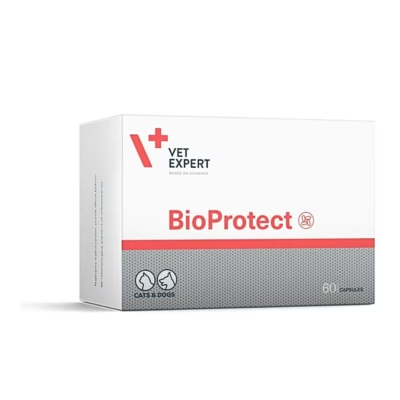
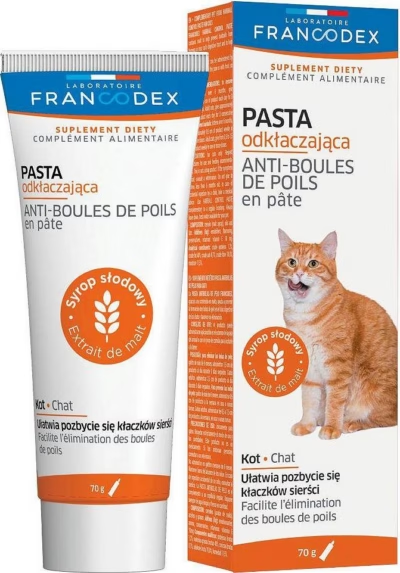
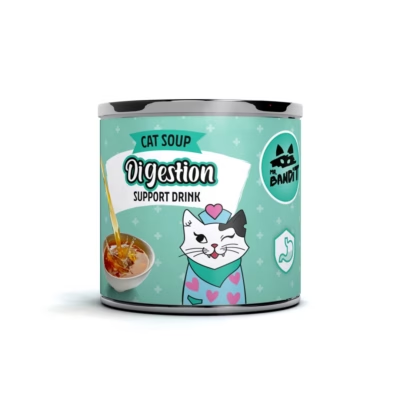
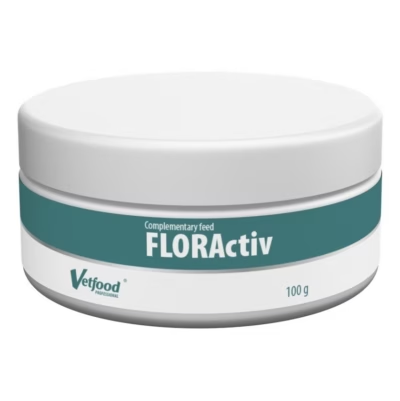
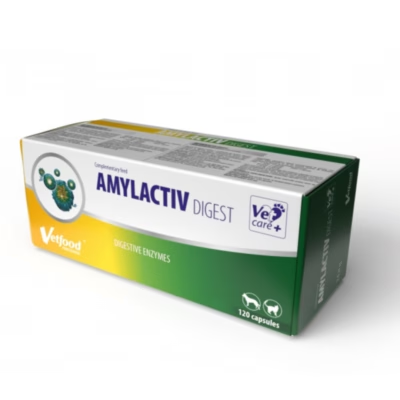
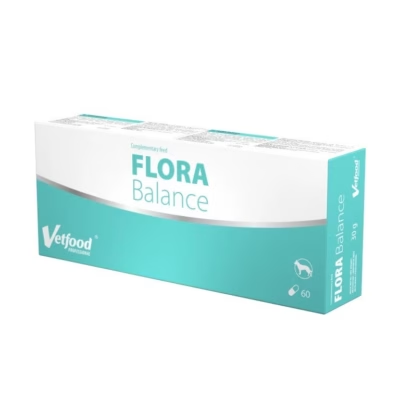

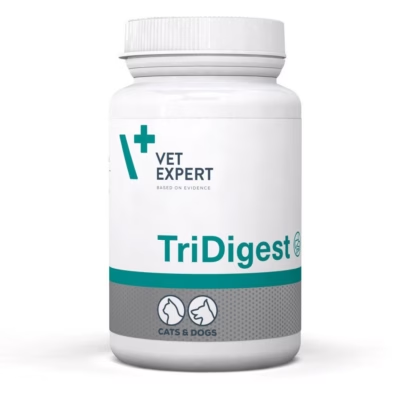
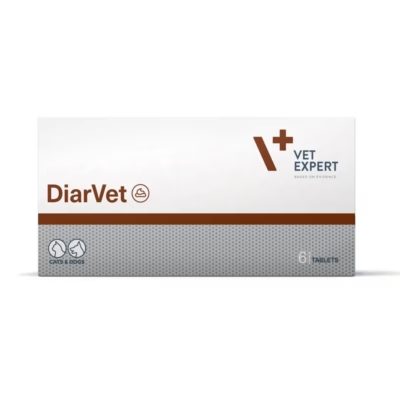
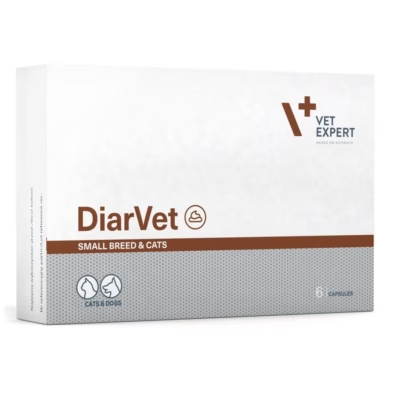
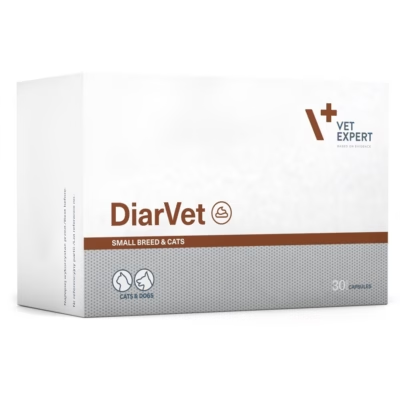
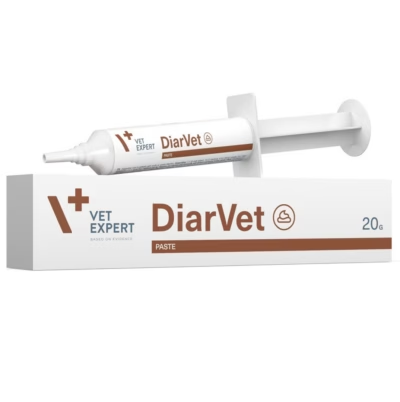
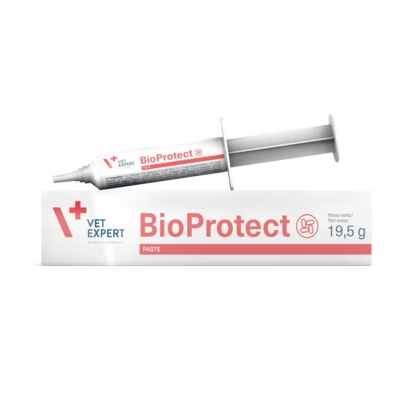
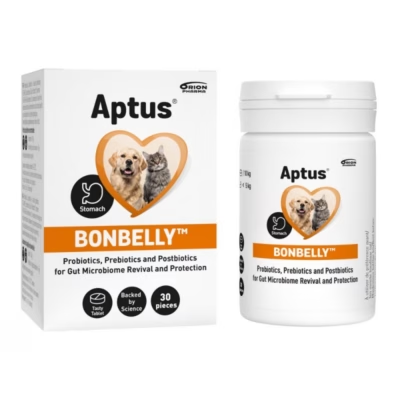
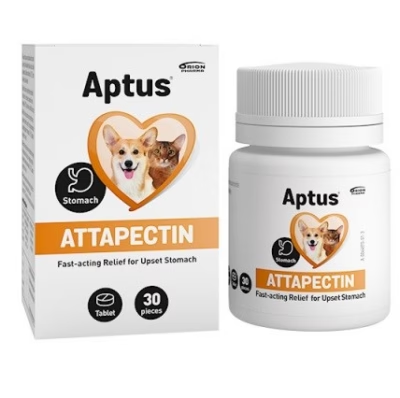
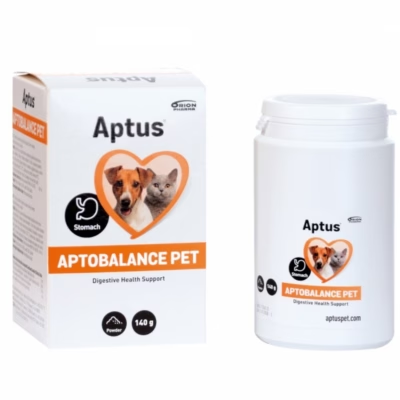
All products shown.
Best sellers
-
Original price was: 32,99 €.27,99 €Current price is: 27,99 €.
- Animal
- Dog
- Form
- Powder
-
Original price was: 31,99 €.27,99 €Current price is: 27,99 €.
- Animal
- Cat, Dog
- Form
- Powder